
What will it take for the Philippines to achieve an economically secure and energy-secure future?
The 1973 and 1979 global oil crises, triggered by supply disruptions in the Middle East at the time, exposed the Philippines’ heavy dependence on imported fuel and caused widespread economic strain across the country. Decades later, the country finds itself facing a familiar challenge once again.
Like déjà vu, the ongoing conflict between the United States and Iran, which continues to disrupt the global oil market, alongside rising commodity prices and worsening inflation, has once again brought concerns over energy security to center stage. The question remains the same: how can the Philippines secure a stable, affordable, and reliable source of energy?
The volatile Philippine energy landscape
The Philippines remains heavily dependent on fossil fuels for electricity generation, with coal accounting for more than 60% of the country’s energy mix. Natural gas follows, while renewable sources such as solar, wind, hydro, and geothermal make up a smaller mix. Because of this, global supply disruptions immediately impact the local energy market, affecting households and businesses alike.
As a result, data shows the Philippines continues to record some of the highest electricity rates in Asia, with households paying an average of $0.207 per kWh—higher than neighboring Southeast Asian countries. Meanwhile, the Manila Electric Company (Meralco) raised residential electricity rates to PHP14 pesos per kWh in early 2026, adding further strain on Filipinos already burdened by inflation.
Energy cost and economic impact
According to the Bangko Sentral ng Pilipinas (BSP), the Philippines is among the countries heavily affected by global oil price shocks because of its strong dependence on imported fuel. Without sufficient domestic energy sources, the country remains vulnerable to sudden international supply disruptions and market volatility.
Meanwhile, the Philippine Chamber of Commerce and Industry (PCCI) has repeatedly emphasized that affordable and reliable energy is one of the key drivers of economic growth. Lower electricity costs could make the Philippines more attractive to foreign investors, particularly in industries that require large-scale manufacturing, technology infrastructure, and data operations.
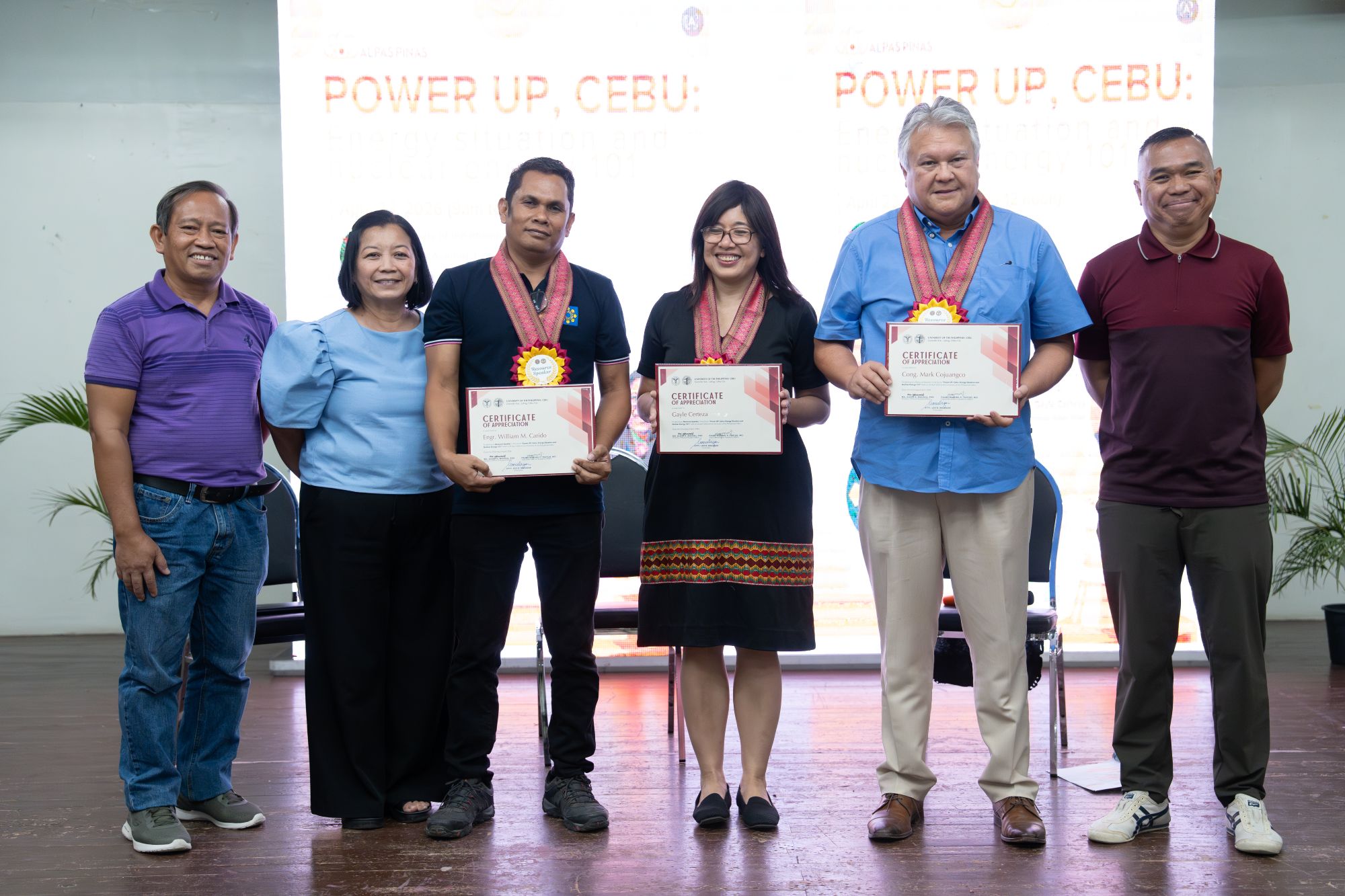
That is why in a recent media briefing, Pangasinan 2nd District Representative Mark Cojuangco underscored the urgent need for the Philippines to adopt a long-term solution that can provide clean, cheap, and reliable energy amid the ongoing crisis.
Nuclear energy as the key long-term solution
As discussions surrounding the worsening energy crisis continue, advocates argue that nuclear power offers a unique advantage: it can provide stable baseload electricity while significantly reducing dependence on imported fossil fuels.
According to insights shared by former Philippine Nuclear Research Institute (PNRI) Director Dr. Carlo Arcilla, nuclear energy could play a critical role in strengthening the Philippines’ long-term energy security because nuclear plants can generate massive amounts of electricity continuously while producing minimal carbon emissions. This positions nuclear energy not only as a potential economic solution, but also as an important strategy for achieving the country’s long-term climate and sustainability goals.
Amid these discussions, Pangasinan 2nd District Representative Mark Cojuangco has renewed calls for a decisive shift in the country’s energy strategy through House Bill No. 8567, a proposed measure that seeks to establish incentives and financing mechanisms to accelerate the development of nuclear power projects in the country.
The bill aims to position nuclear energy as a cornerstone of a more secure, stable, and economically resilient Philippine energy system, while also building on the country’s recent efforts to establish a stronger nuclear regulatory framework following the enactment of the PhilAtom Act.
“The reality is we cannot continue relying on imported fuel if we want long-term energy security and affordable electricity for Filipinos. Nuclear energy gives us the opportunity to build a stable baseload power supply that can support economic growth for decades,” said Cojuangco.
In reports discussing the renewed push for nuclear energy, Alpas Pinas Lead Convenor Gayle Certeza echoed Cojuangco’s stance on the importance of diversifying the country’s energy sources.
“Solar and wind are good energy sources, but they are only available during certain periods of the day. If we rely on solar and wind, we will still need gas or coal as backup sources. That is why we must secure a cheap, clean, and reliable energy future for the next generation. Who wouldn’t want that for our future?” Certeza reiterated.
Indeed, as the country continues to face the same energy challenges, the renewed discussion on nuclear energy signals that the Philippines’ search for a more resilient, stable, and sustainable energy future is far from over.