
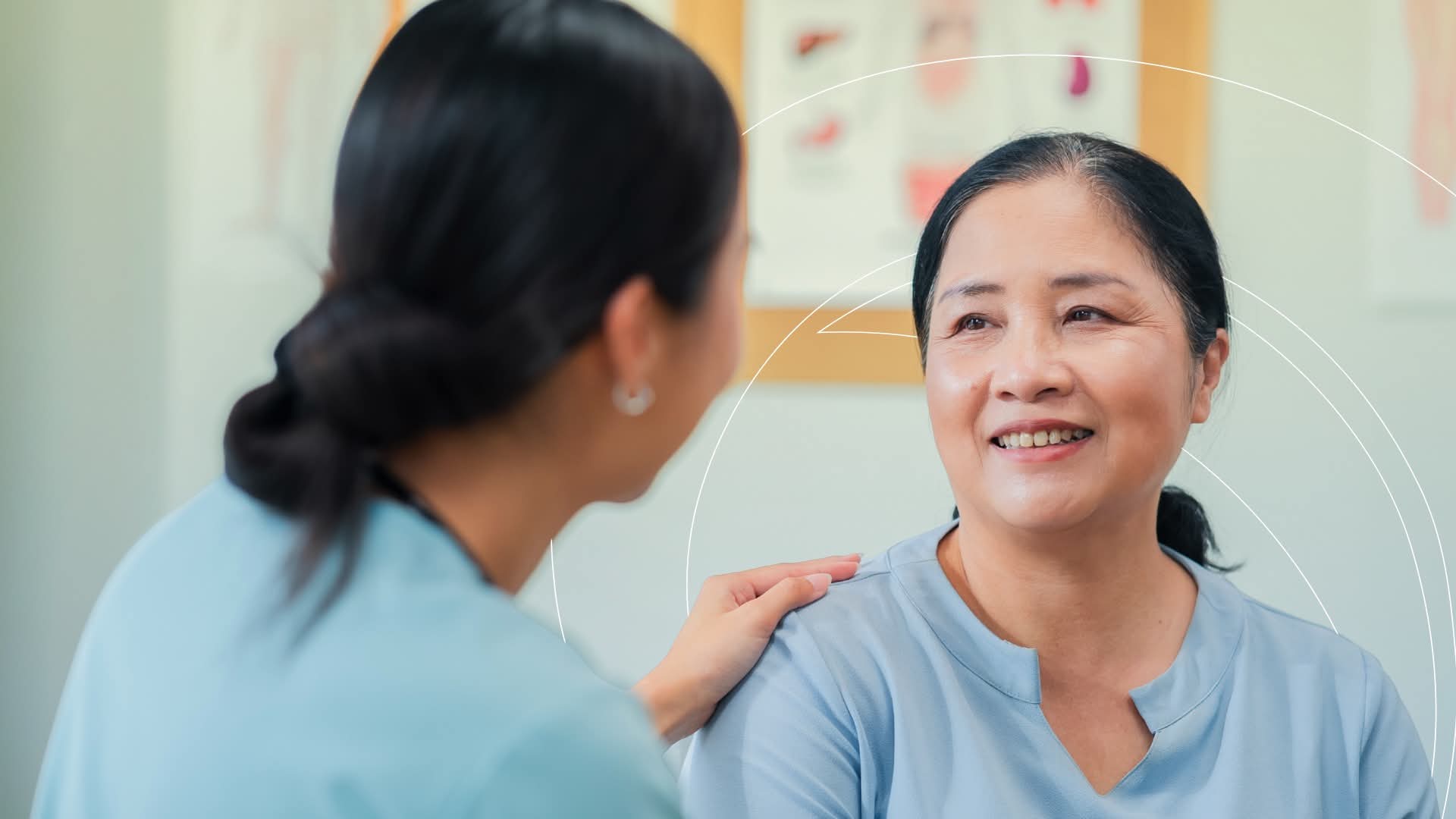
As hospitals across the country face challenges related to emergency room congestion, Mary Mediatrix Medical Center has stepped up to address the problem by opening the very first hospital-based Urgent Care Center in Batangas, a facility designed to provide timely medical care to patients in need of prompt attention but do not require emergency life-saving treatments. The Urgent Care Center bridges the gap between scheduled consultations with a physician and the Emergency Room.
Mary Mediatrix Medical Center (MMMC) in Lipa, Batangas has responded to this need not only in the province but for the entire Southern Luzon area. “For many decades, up until the present, Filipino patients only had two options. Either they go to their primary care physician or to the emergency room. Primary care takes longer, as it is appointment-based. Emergency room care, on the other hand, is really designed to handle traumatic injuries or cases of stroke, heart attacks, and similar life-threatening conditions,” said Dr. Edna Cuasay, MMMC Assistant Medical Director, Chief of Clinics, and Chief of the Institute of Clinical Neurosciences, at the recent inauguration for the Urgent Care Center.
The event also saw the formal opening of MMMC’s Lifestyle and Wellness Center, which focuses on preventive healthcare through executive check-ups, nutrition counseling, physical rehabilitation, and personalized wellness programs. Together, the two newly opened facilities represent a more comprehensive approach to healthcare, one that promotes disease prevention while ensuring timely treatment when unexpected medical needs arise.
Dr. Cuasay noted that many patients require immediate medical attention but not every condition is a medical emergency. “Our Urgent Care Center provides patients with prompt, evidence-based treatment for illnesses and injuries that cannot wait for a regular clinic appointment, while allowing our Emergency Room to focus on critically ill patients and major trauma cases. By ensuring that every patient receives care in the most appropriate setting, we can improve both patient experience and the efficiency of healthcare delivery.”
Conditions commonly managed in an Urgent Care Center include:
- Fever and flu-like illnesses
- Minor infections
- Mild asthma flare-ups
- Minor allergic reactions
- Sprains and strains
- Minor fractures
- Wounds requiring stitches
- Minor burns
By comparison, patients experiencing life-threatening conditions should seek immediate treatment at the Emergency Room. These include:
- Chest pain or suspected heart attack
- Stroke symptoms
- Severe difficulty breathing
- Major traumatic injuries
- Uncontrolled severe bleeding
- Loss of consciousness
- Seizures
- Serious head injuries
Every patient entering the Urgent Care Center undergoes clinical triage and assessment to determine the severity of the condition. Patients found to require emergency intervention are immediately referred to the hospital’s Emergency Room, ensuring they receive the appropriate level of care without delay.
Hospital officials explained during the launch that directing non-life-threatening cases to urgent care benefits both patients and the healthcare system. Patients receive faster medical attention without waiting several days for a clinic appointment, while Emergency Room physicians, nurses, treatment areas, and specialized equipment remain available for patients facing life-threatening emergencies where every minute counts.
Another challenge addressed by urgent care centers is cost. As explained by Dondi delos Santos, President of Mary Mediatrix Medical Center, “Emergency room care is the most expensive. There’s a greater nurse-to-patient ratio in the ER and all the specialized resources, all the expert consultants, and high-tech equipment are being used to save a person’s life.”
He added that the majority of cases in a hospital belong more to urgent care rather than emergency care. “Both the patients and their HMOs benefit from having a case handled by urgent care. Urgent care’s lower rates mean that a paying customer pays less, while an HMO-patient can stretch their allotment or benefits even farther. By spending less on quality healthcare, at the appropriate level, everyone wins.”
The simultaneous launch of the Urgent Care Center and Lifestyle and Wellness Center marks another milestone in Mary Mediatrix Medical Center’s continuing investment in healthcare innovation. It’s further proof of the hospital’s commitment to help patients receive the care they need while supporting a more efficient and responsive healthcare system for Batangas and the Southern Luzon region.
“For 68 years, Mary Mediatrix Medical Center has continuously evolved to meet the changing healthcare needs of our communities. The opening of these two centers reflects our continuing commitment to make healthcare more accessible, more responsive, and more patient-centered, always guided by our promise of Alagang May Malasakit,” delos Santos said.